Right Place, Right People, Real Results: The Power of Location-Based Marketing

Location-based marketing is changing the way brands connect with real-world audiences by delivering highly relevant messages exactly where they matter most. Instead of relying on broad, generic campaigns, this strategy allows businesses to target specific demographics based on where people live, work, and spend time. Whether it is a political campaign reaching consistent primary voters in their homes with tailored messaging, a dumpster company targeting storm-affected neighborhoods with timely offers, or service providers identifying communities with immediate needs, location intelligence helps ensure marketing dollars are spent efficiently and effectively on the correct people.
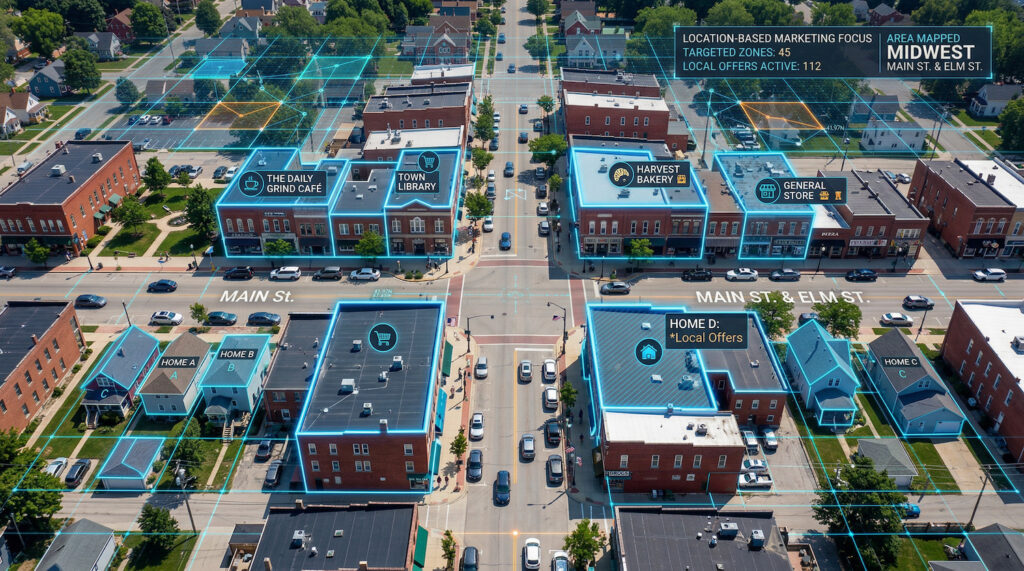
At VIA Marketing, we take this strategy even further with advanced door swing tracking, giving clients clear insight into how campaigns drive real-world action. It is not just about serving ads to the right audience, it is also about measuring what happens next. For example, home builders can connect with high-intent buyers in carefully selected areas and then track how many of those prospects actually walk into the community sales center. This approach transforms campaign data into measurable, meaningful growth. Everybody loves ROI!

The result is more qualified leads, stronger engagement, and increased sales. VIA Marketing combines precise targeting with actionable reporting, so clients are not just advertising, they are making a measurable impact. For businesses looking to attract new customers, outperform competitors, and maximize ad dollars, location-based marketing offers results that can be seen, tracked, and scaled.
Is Your Website A Liability?

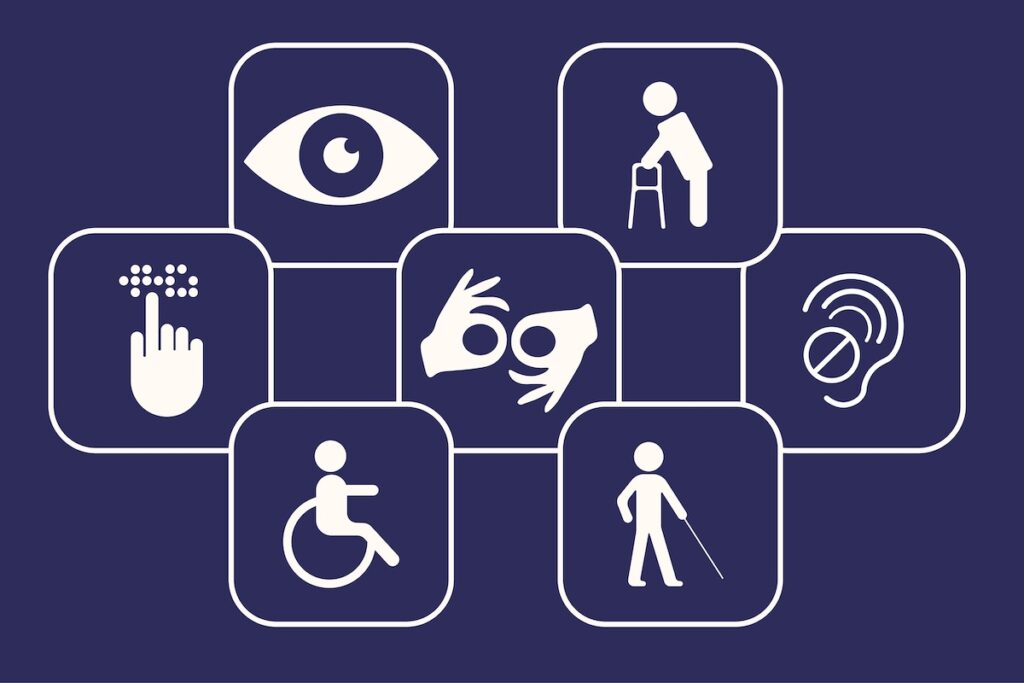
ADA website compliance has shifted from a “nice-to-have” to a core expectation for doing business online in 2026. At its foundation, ADA compliance ensures that your website is accessible to people with disabilities by aligning with standards from WCAG 2.1 or 2.2. These standards cover features such as screen reader compatibility, keyboard navigation, and readable color contrast. Beyond legal definitions, accessibility is about creating a digital space where every visitor feels welcome. Whether someone is visually impaired, hearing impaired, or navigating with assistive technology, an accessible website signals that your business values inclusivity and is committed to serving all customers equally.

What has changed significantly is enforcement, especially for small businesses. ADA-related website lawsuits have continued to rise, and smaller companies are increasingly the primary targets. There is no size exemption under ADA Title III, meaning even local businesses and startups are expected to provide accessible online experiences. In 2026, clearer regulatory guidance and growing legal precedent have made it easier to identify non-compliant websites, leading to more demand letters and lawsuits than ever before. Simply put, flying under the radar is no longer realistic.

For small business owners, the opportunity is just as important as the risk. Prioritizing accessibility not only reduces legal exposure, but also expands your audience, improves usability for everyone, and strengthens your brand reputation. An inclusive website is not just compliant. It is welcoming. By proactively auditing and improving your site, you are not only protecting your business in a stricter enforcement environment, you are also opening your digital doors to a broader community of users who want and deserve a seamless experience.

Do you need help making your website more welcoming and ADA compliant?

Human-Led Creativity in an AI World

The efficiency AI brings to the table is too valuable to ignore. Tasks that once took hours like drafting content, creating rough visual concepts, analyzing data, or completing market research can now be done in minutes. For marketing teams and creative partners, this kind of speed is a major competitive advantage. Agencies and partners who refuse to adopt AI tools will quickly find themselves falling behind competitively to those who can move faster, test ideas more quickly, and produce more work with the same resources or less.

While AI tools have quickly become an important part of the creative process, the best results happen when humans lead the work. Think of AI as an assistant rather than the creator itself. Human creativity brings perspective, emotion, and real-world experience that AI simply doesn’t have. When creators use AI to support their ideas instead of replace them, the final work feels more authentic and intentional.

When I speak with clients and hear, “I made it with AI” I begin to cringe. Why? Graphic content from AI tools is trained on the same large pools of data and because of this its output has a similar look, tone, and structure. As more people use them the same way, the results feel repetitive and generic. This process is completely counterintuitive to the concept of “branding” that businesses spend much effort and money differentiating themselves in the marketplace.

There’s also an important strategic side to consider. When you rely heavily on AI to generate ideas, messaging, or creative direction, you’re using tools that are available to all your competitors. If your entire strategy comes from AI, there’s a real chance your competitor could end up with a version of the same solution. That’s why the thinking and strategy behind creative projects should stay human-led. In the end, the winning formula is a hybrid approach where AI powers speed and scale, while humans drive authenticity and connection.

*This post was human-led utilizing AI.