Is Traditional SEO Dead in the Age of AI Search
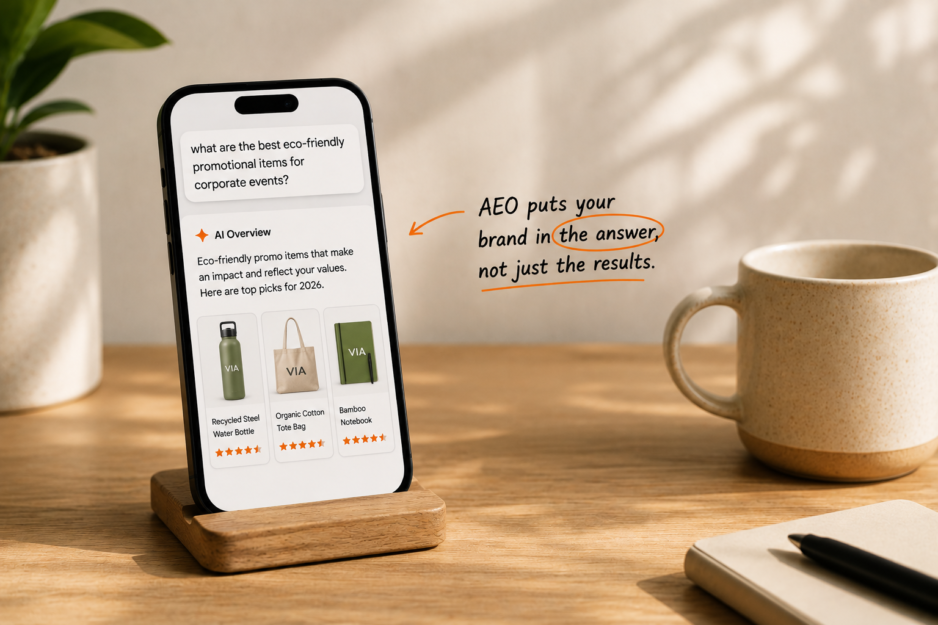
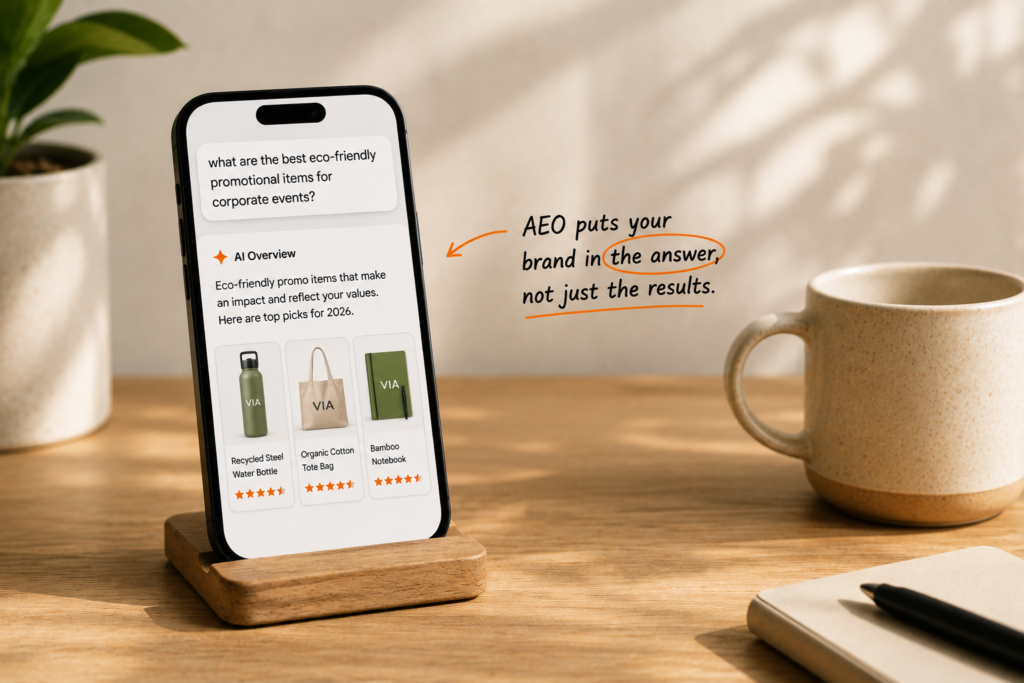
Answer Engine Optimization (AEO) is the evolution of traditional SEO for the AI-first internet. Instead of optimizing only for blue links on Google, AEO focuses on helping brands appear inside AI-generated answers from online browsers with AI Overviews (AIO), like Google Gemini and Chatgpt. These platforms increasingly summarize content directly in search results, often answering the user’s question without requiring a website visit. This behavior is known as a “zero-click search,” where the search engine becomes the destination rather than the gateway to a website. In 2026, AI Overviews are dramatically reshaping search behavior, with multiple studies reporting that 60–85% of searches now end without a click. Is your organic traffic down? Ahrefs reported that AI Overviews reduced clicks to top-ranking organic results by as much as 58%, while other reports showed informational websites experiencing traffic declines between 30–70% despite maintaining strong rankings.
The decline in organic website traffic is no longer theoretical—it is measurable. Research from Search Engine Land and WPR found that the overlap between top Google rankings and sources cited by AI engines has sharply declined, meaning ranking #1 in Google no longer guarantees visibility inside AI-generated answers. This shift has introduced new terminology you need to understand. “AIO” refers to Google AI Overviews, the AI-generated summaries displayed above traditional search results. “GEO” or Generative Engine Optimization refers to optimizing content for inclusion in AI responses. “AI referral traffic” describes visits originating from AI assistants rather than traditional search engines. The challenge is that AI systems increasingly extract value from your content while reducing outbound clicks, fundamentally disrupting the old SEO model built on rankings and pageviews.
The future of organic traffic belongs to brands that adapt beyond traditional SEO tactics. Websites relying solely on keyword rankings, backlinks, and long-form informational blogs will likely continue seeing declining traffic as AI interfaces answer more queries directly on-platform. So, is traditional SEO dead in the age of AI search? No—but SEO alone is no longer enough to sustain long-term organic traffic growth.


Is Your Website A Liability?
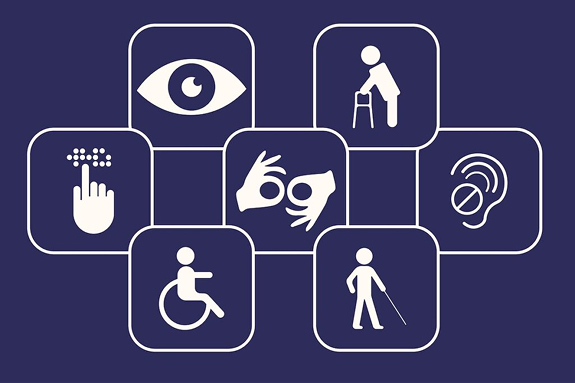
ADA website compliance has shifted from a “nice-to-have” to a core expectation for doing business online in 2026. At its foundation, ADA compliance ensures that your website is accessible to people with disabilities by aligning with standards from WCAG 2.1 or 2.2. These standards cover features such as screen reader compatibility, keyboard navigation, and readable color contrast. Beyond legal definitions, accessibility is about creating a digital space where every visitor feels welcome. Whether someone is visually impaired, hearing impaired, or navigating with assistive technology, an accessible website signals that your business values inclusivity and is committed to serving all customers equally.
What has changed significantly is enforcement, especially for small businesses. ADA-related website lawsuits have continued to rise, and smaller companies are increasingly the primary targets. There is no size exemption under ADA Title III, meaning even local businesses and startups are expected to provide accessible online experiences. In 2026, clearer regulatory guidance and growing legal precedent have made it easier to identify non-compliant websites, leading to more demand letters and lawsuits than ever before. Simply put, flying under the radar is no longer realistic.
For small business owners, the opportunity is just as important as the risk. Prioritizing accessibility not only reduces legal exposure, but also expands your audience, improves usability for everyone, and strengthens your brand reputation. An inclusive website is not just compliant. It is welcoming. By proactively auditing and improving your site, you are not only protecting your business in a stricter enforcement environment, you are also opening your digital doors to a broader community of users who want and deserve a seamless experience.