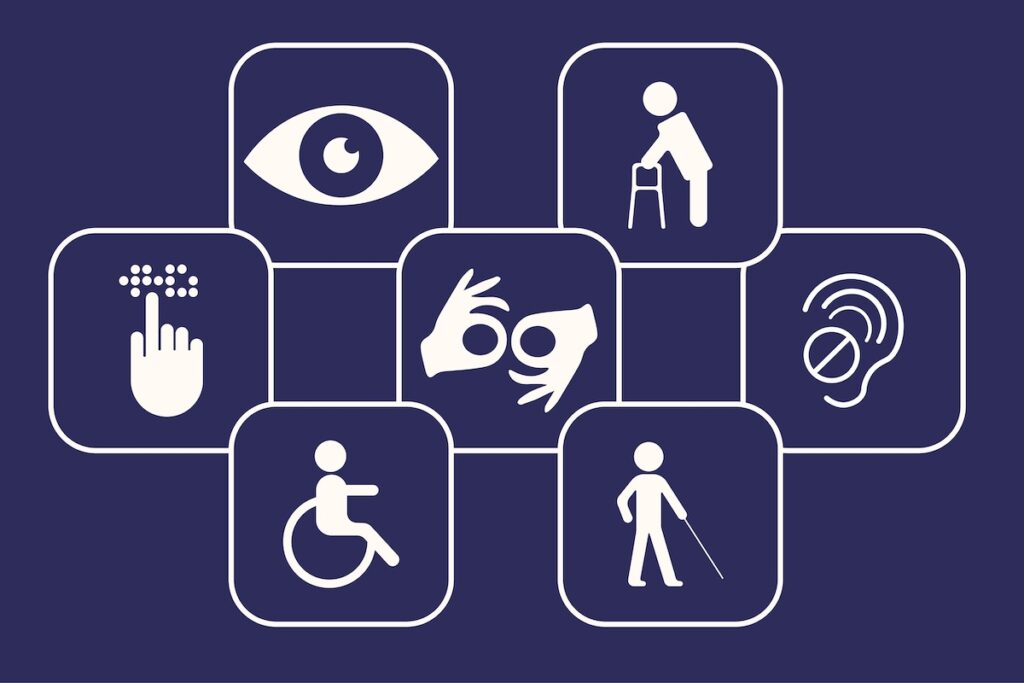
ADA website compliance has shifted from a “nice-to-have” to a core expectation for doing business online in 2026. At its foundation, ADA compliance ensures that your website is accessible to people with disabilities by aligning with standards from WCAG 2.1 or 2.2. These standards cover features such as screen reader compatibility, keyboard navigation, and readable color contrast. Beyond legal definitions, accessibility is about creating a digital space where every visitor feels welcome. Whether someone is visually impaired, hearing impaired, or navigating with assistive technology, an accessible website signals that your business values inclusivity and is committed to serving all customers equally.
What has changed significantly is enforcement, especially for small businesses. ADA-related website lawsuits have continued to rise, and smaller companies are increasingly the primary targets. There is no size exemption under ADA Title III, meaning even local businesses and startups are expected to provide accessible online experiences. In 2026, clearer regulatory guidance and growing legal precedent have made it easier to identify non-compliant websites, leading to more demand letters and lawsuits than ever before. Simply put, flying under the radar is no longer realistic.
For small business owners, the opportunity is just as important as the risk. Prioritizing accessibility not only reduces legal exposure, but also expands your audience, improves usability for everyone, and strengthens your brand reputation. An inclusive website is not just compliant. It is welcoming. By proactively auditing and improving your site, you are not only protecting your business in a stricter enforcement environment, you are also opening your digital doors to a broader community of users who want and deserve a seamless experience.
Do you need help making your website more welcoming and ADA compliant?